
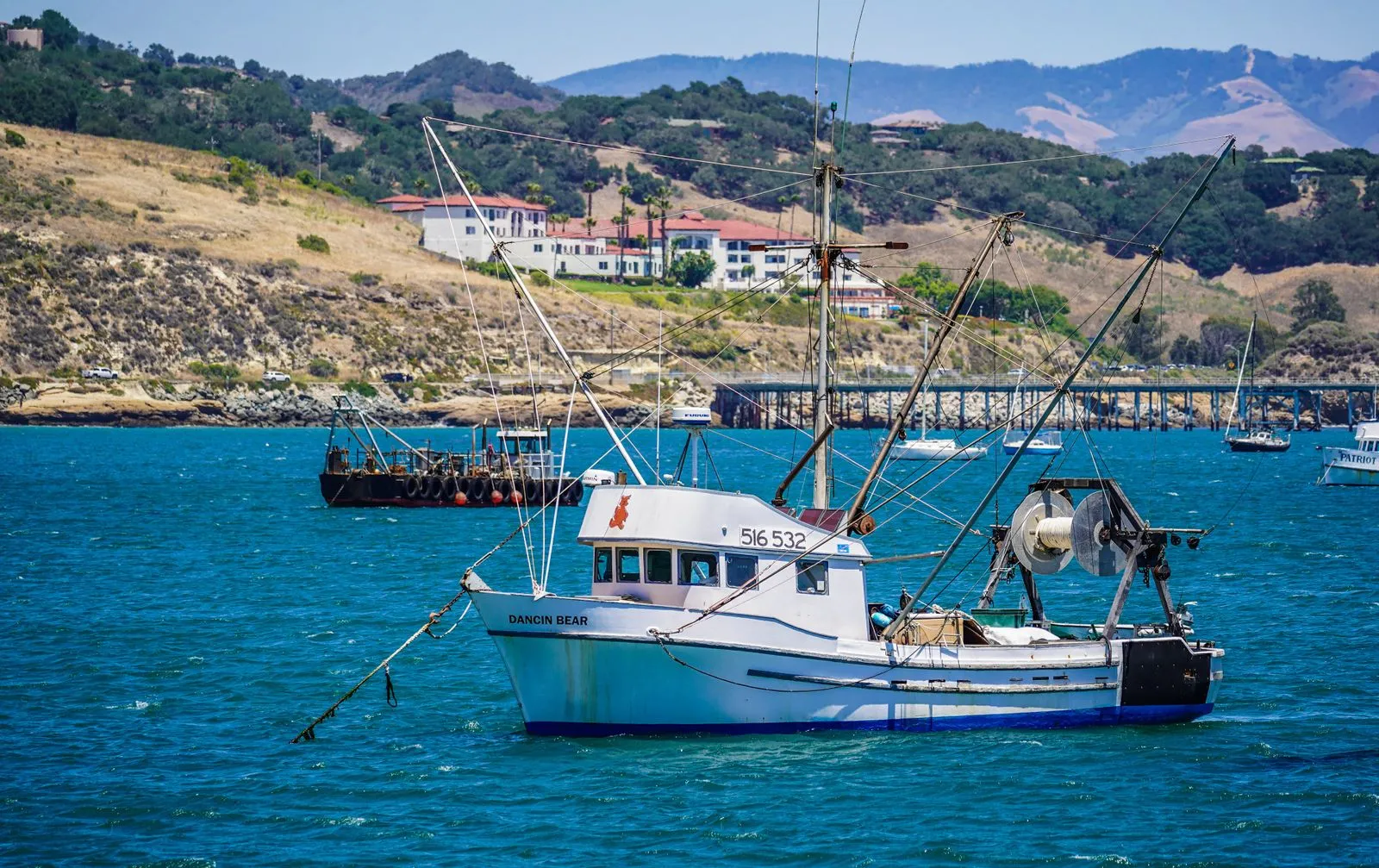
A little preparation can make an inshore fishing trip more comfortable, whether you’re new to fishing or heading out for another day on the water. Pack for changing weather, direct sun, and time spent moving around a boat. Keep your bag simple, and confirm what your guide provides before you bring gear or supplies. The exact list depends on the forecast, trip length, and local conditions, so treat these essentials as a starting point.
Dress for Changing Conditions
Choose comfortable clothes you can move in, and dress in layers. A lightweight, long-sleeved shirt can help with sun exposure, while a light jacket or rain shell adds protection if the wind picks up or showers pass through. Check the forecast before you leave, but bring an extra layer even when the day starts warm.
Wear shoes that stay secure and have non-marking, slip-resistant soles. Avoid loose sandals that can come off on a wet deck. A brimmed hat can shade your face, and polarized sunglasses can reduce glare so you can see more comfortably around the water. Bring a spare shirt if you expect to get wet or sweaty.
Protect Yourself From the Sun
Sun reflects off the water, so protection matters even on cloudy days. Apply broad-spectrum sunscreen before boarding and pack it for reapplication according to the product label. Choose a water-resistant formula if you’ll be sweating or splashed, and cover areas people often miss, such as the ears, back of the neck, and tops of the feet.
Consider adding a neck gaiter, sun gloves, or lightweight protective sleeves if you burn easily. Keep sunglasses on a retainer so they’re less likely to fall overboard. Bring any personal sun-care items you rely on, and tell your guide if you need shade or breaks during the trip.
Pack Water and Simple Snacks
Bring enough drinking water for the trip, unless your guide confirms it will be supplied. A reusable bottle with a secure lid is easy to manage on a boat. Avoid relying on thirst as a reminder to drink, especially on warm days, and ask where to store your bottle before departure.
Choose compact snacks that are easy to eat without making a mess, such as crackers, fruit, or a simple sandwich. If you get motion sickness, ask your healthcare professional about suitable options and take them as directed. Pack any personal medication in its original container, and let your guide know about relevant allergies or mobility needs.
Confirm Details With Your Guide
Before packing fishing equipment, ask what the charter provides. Guides may supply rods, reels, bait, tackle, and required safety equipment, but arrangements vary. Confirm whether you should bring a fishing license, and check which rules apply to your specific trip. Ask about fish cleaning or storage if you plan to keep a catch.
Also confirm the meeting point, trip duration, parking, and what happens if weather affects the outing. Ask whether food, water, rain gear, or a dry bag is available, and whether there are limits on bags or coolers. Share any dietary needs or accessibility concerns in advance so your guide can advise you on practical preparations.
A comfortable inshore fishing trip starts with practical layers, reliable sun protection, water, and a few easy snacks. The most useful final step is checking the details with your guide, since gear and onboard supplies can vary. Make a short list from the forecast and your guide’s answers, then reach out to Calgary Cast Charters with any remaining questions.